
Alternatives · May 16, 2026
Alternatives to the Rabbit R1
The Rabbit R1 continues to ship updates and has an active community, but the original pitch — a Large Action Model that replaces apps and books your Uber for you — has not materialized at the scale the launch keynote implied. If you searched for the R1, you may be looking for a different version of the AI hardware idea: a voice-first AI on your body, or a competent assistant that takes actions in the world, or simply better-than-phone-AI in a dedicated device.
Original device
Rabbit R1 →What to buy instead
- #1 · Best ambient AI assistant
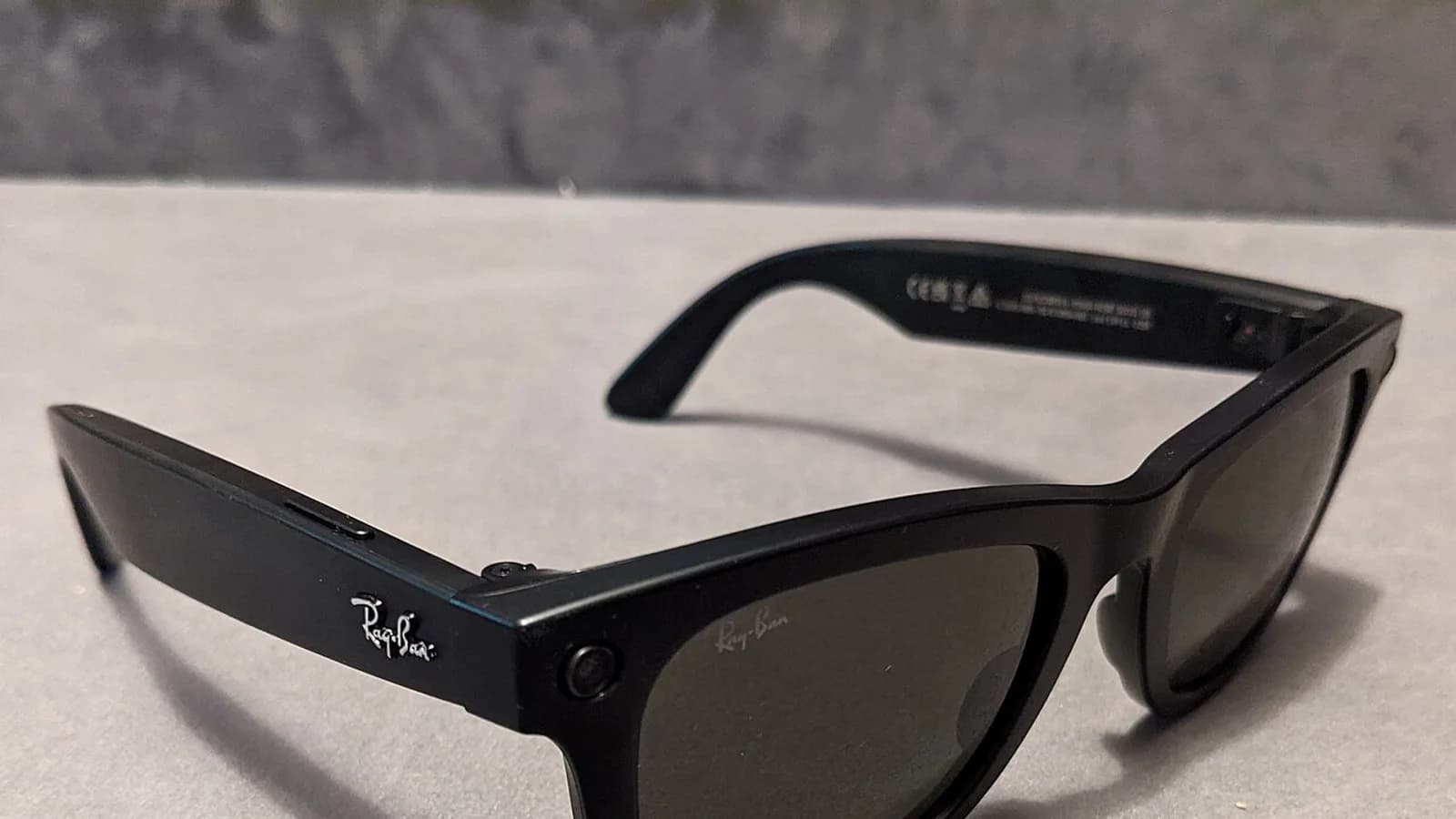
Ray-Ban Meta (Gen 2)
If you wanted always-available AI without holding your phone, the Meta Ray-Ban Gen 2 delivers it. Voice queries to Meta AI, scene description with the camera, live translation. The form factor is glasses instead of an orange box, which most users find easier to integrate into daily life. ~$299.
Read full review → - #2 · Best for the meeting-capture use case
Plaud Note
If the R1's appeal was 'small dedicated AI device,' the Plaud Note is the better-executed version. Single-purpose, magnetic phone-back design, strong transcription, structured summaries within minutes. ~$159 + free tier or $79/year Pro.
Read full review → - #3 · For the long-term ambient AI bet
Apple Vision Pro
If you bought the R1 because you thought post-smartphone hardware was the future, the Apple Vision Pro is the current high-end version of that bet — even though Apple is conspicuously not marketing it as 'AI.' The cameras, sensors, and on-device compute exceed every other wearable; the AI software layer is shallow but growing. ~$3,499 base.
Read full review →


Before you switch
The Rabbit R1's most defensible feature in retrospect is the Teenage Engineering industrial design — a real artifact that holds value as a curiosity. If you specifically value that, no alternative on this list replaces it. But for any actual AI assistant use case, the alternatives above all deliver more reliably. The category lesson from R1: pre-launch demos that depend on integrations the company does not control are red flags. The LAM demo at CES depended on services like Uber and DoorDash playing along; in practice, those integrations either narrowed dramatically or never shipped. Subsequent AI hardware launches (Plaud, Limitless, Bee) have been smaller in scope and more honest about what their products actually do — which is part of why they survived.
FAQ
- Should I sell my Rabbit R1?
- If you don't use it, yes — the secondary market still trades these because the device continues to receive updates. If you enjoy it as an interesting AI hardware artifact, the resale price is unlikely to climb meaningfully, so there is no rush.
- Does the Rabbit teach mode actually work?
- It works for narrow, deterministic web workflows. It does not generalize to the full app-replacement promise of the launch keynote. Users who treat it as a personal scripting tool rather than an AI agent get usable value out of it.
- Is there a Rabbit R2?
- Not as of this writing. Rabbit has continued to invest in the existing R1 software stack and the company's roadmap public statements have been modest.
- Why isn't a smartphone with ChatGPT just the right answer?
- For many users it is. The dedicated-AI-device category exists because some users want push-to-talk, hands-free capture, or wearable AI without the phone interruption surface. If that distinction does not matter to you, your existing phone plus a $20/month ChatGPT subscription beats any of these devices on pure capability.