
Comparison · May 16, 2026
Meta Ray-Ban Gen 2 vs Even Realities G1
These are the two smart glasses we recommend in 2026, and they almost never get cross-shopped — because they solve different problems. The Meta Ray-Ban Gen 2 wins on AI capability, capture, and the comfort of looking like ordinary Ray-Bans. The Even Realities G1 wins on all-day social wearability and translation. The honest comparison is less about which one is better and more about which one fits the day you actually live.
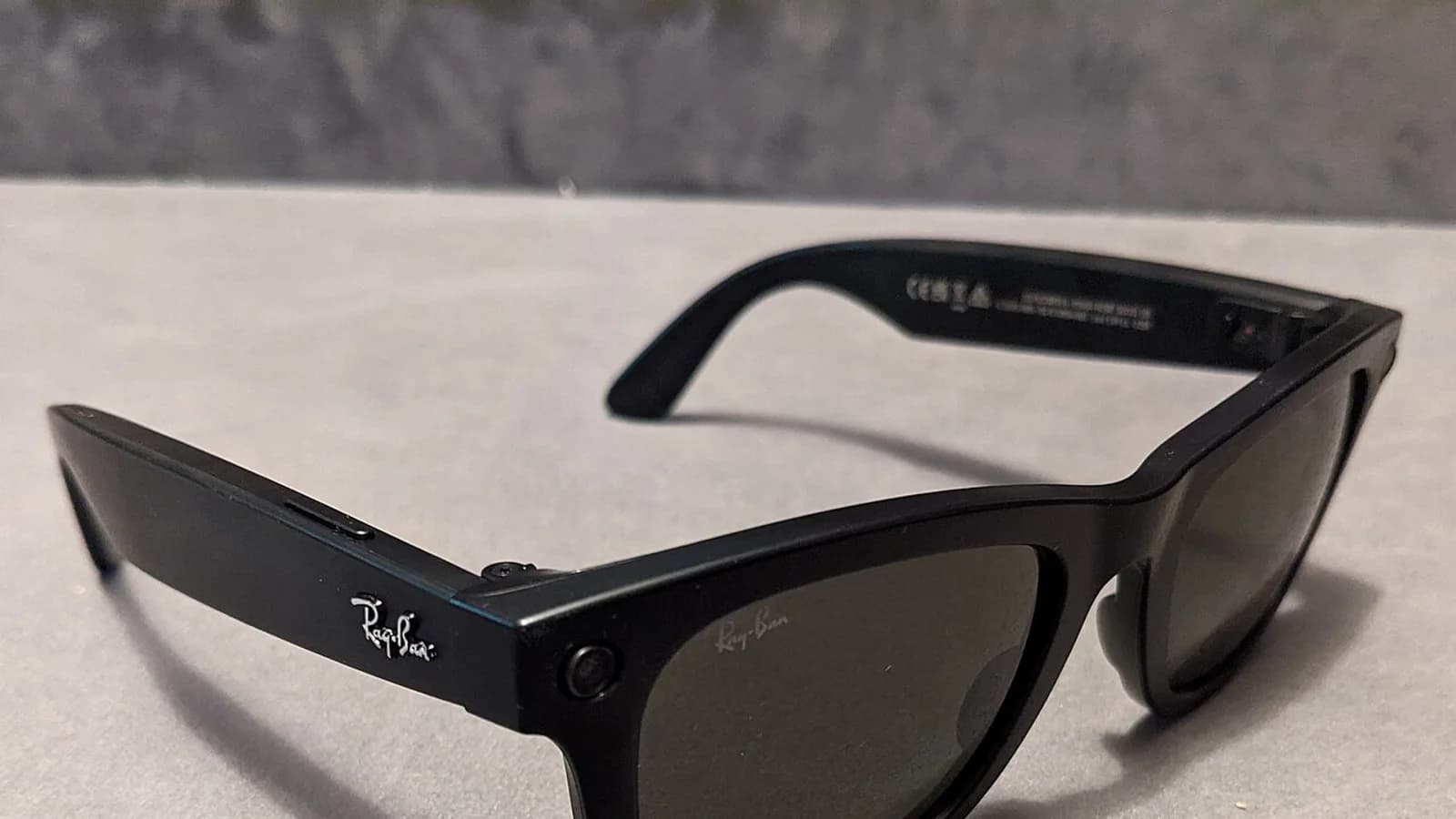
Meta
Ray-Ban Meta (Gen 2)
The mainstream AI smart glasses — capture, translation, and Meta AI Q&A in a Ray-Ban frame.
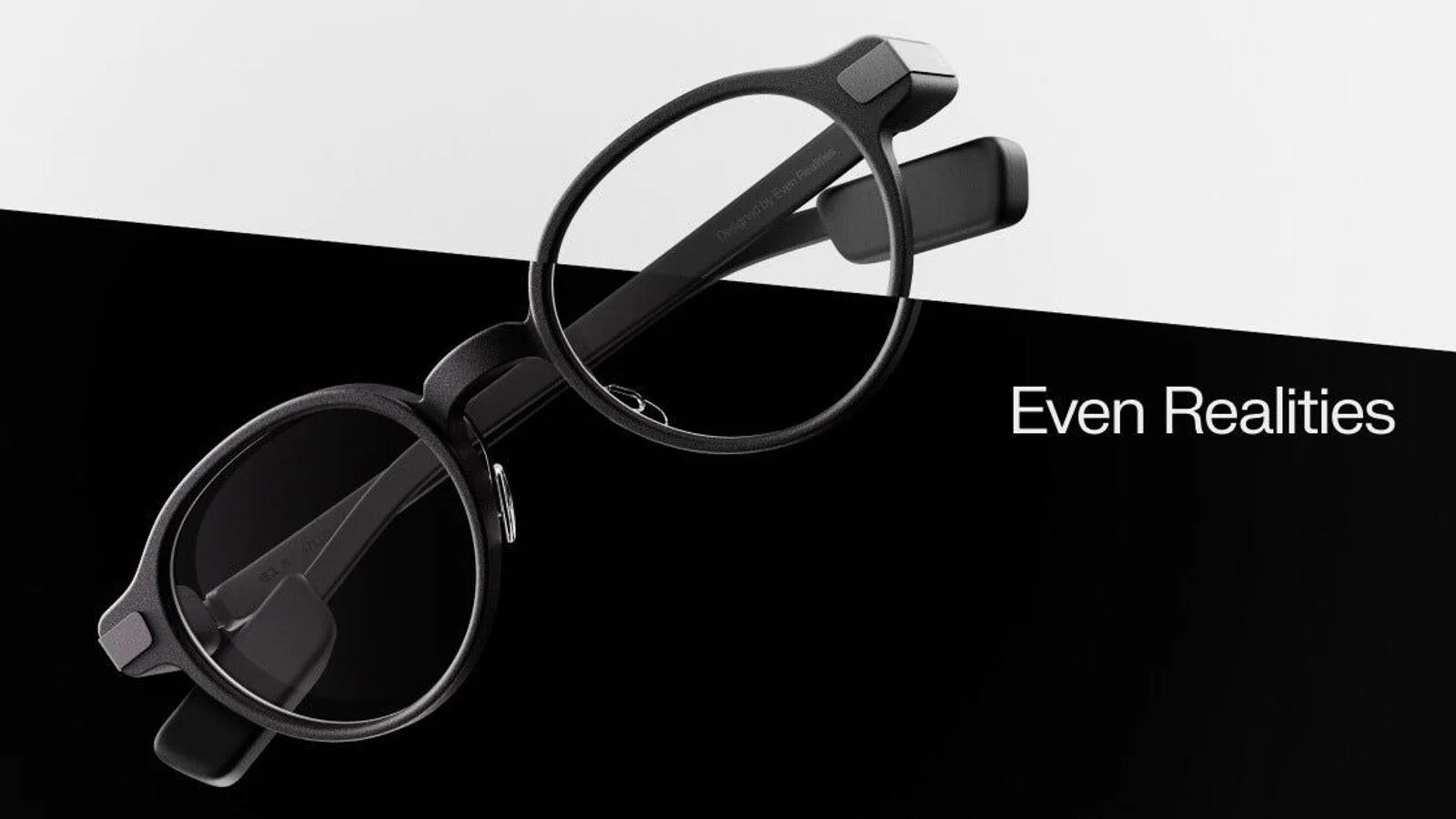
Even Realities
Even Realities G1
Prescription-friendly AI glasses with a discreet HUD, navigation, and translation overlays.
Verdict
Depends on your use case
Want AI replies, scene description, and a camera in glasses that pass for ordinary Ray-Bans? Meta Ray-Ban Gen 2. Want smart glasses you can wear in a business meeting without explaining yourself, with messaging and translation overlays? Even Realities G1. The camera/no-camera axis is the decision; everything else follows.
Camera or no camera
This single decision determines almost everything else. The Meta Ray-Ban Gen 2 has a 12-megapixel camera in the right hinge. You can take photos with a tap or a voice command, capture 1080p video, and use Meta AI's multimodal model to identify what you are looking at. The G1 has no camera. This means no scene description, no OCR, no visual Q&A — but also no capture LED to negotiate with everyone around you. In shared workspaces, sensitive meetings, or jurisdictions where always-on visual capture is regulated, the G1's no-camera design moves from feature-list omission to product advantage. For social transparency, no camera is a different kind of feature: nobody asks if you are recording.
Display or audio-only
The G1 has a small green monochrome microLED in each lens, projecting a tiny heads-up display that is invisible when off. You can read incoming messages, translation overlays, navigation arrows, and short AI replies without breaking eye contact. The Meta Ray-Ban Gen 2 has no display — every AI reply, every notification routes to the open-ear speakers and you hear it. The Meta approach is more discreet for the wearer (no one sees the display) but louder for everyone nearby (the AI is speaking aloud). The G1 approach is more discreet for the room (no audio) but more visible for the wearer (you are looking at a corner of your right lens).
AI integration
The Meta Ray-Ban Gen 2 routes to Meta AI by default. Multimodal model, fast replies, scene description, real-time translation. The model is tied to a Meta account; data routing is documented but the Meta-account requirement is non-negotiable. The G1's AI is configurable: the companion app lets you choose which LLM backend the glasses talk to. For privacy-conscious users or anyone wanting to avoid Meta-account lock-in, this configurability is the entire pitch. Real-time translation overlays subtitles while the other person speaks, in over a dozen languages, projected into both lenses. For frequent international travelers, this single use case justifies the device.
All-day wear vs occasion wear
The G1 weighs under 40 grams and accepts prescription lenses without an awkward clip-on insert. Battery is rated for ~1.5 days of background use, less with the display active heavily. The Meta Ray-Ban Gen 2 weighs ~50 grams (well within normal eyewear range), supports prescription via Ray-Ban's standard channel, and lasts ~4 hours of mixed use; the included charging case adds 8 more cycles. The honest framing: the G1 are smart glasses you can wear all day without anyone noticing; the Meta Ray-Ban are smart glasses you wear when you specifically want the camera or the AI assistant, and charge between sessions.
Price and ecosystem
Meta Ray-Ban Gen 2 starts at ~$299 base, Transitions and prescription versions push it toward $379-$429. Even Realities G1 starts at ~$599 with included prescription lenses and Ray-Ban-equivalent build quality. Both are sold direct from the manufacturer and through select optical retailers. The G1's higher price reflects the display module and the prescription-lens integration; the Meta's lower price reflects scale and the existing Ray-Ban manufacturing pipeline. If you prescription-correct your eyewear, the G1's pricing is more competitive than the headline suggests.
FAQ
- Can you make calls on the G1?
- Yes, via the paired phone — but without speakers, audio routes to a paired Bluetooth earbud or the phone. Voice input works through the frame microphones.
- Is the Meta Ray-Ban privacy concern legitimate?
- The camera LED is small and easy to miss in bright light, which has fueled justified concerns about implicit consent in shared spaces. Meta has not moved aggressively to enlarge the LED in Gen 2.
- Can the G1 do anything visual?
- No camera means no visual Q&A, no scene description, no OCR. The G1 is specifically not trying to compete on visual AI.
- Which lasts longer on a charge?
- G1 lasts longer in absolute terms (~1.5 days of background use vs Meta's ~4 hours active). The Meta Ray-Ban case adds 8 more cycles, which closes the gap.
- Do prescription lenses work with both?
- Yes. The G1 builds prescription into both frames at order time. Meta Ray-Ban supports prescription via Ray-Ban's standard channel. Add ~$150 for prescription on the G1; varies for the Meta.