
Comparison · May 16, 2026
Rabbit R1 vs Humane AI Pin
This is a comparison we keep on the record for a reason. In early 2024 the Rabbit R1 and the Humane AI Pin were the two most-anticipated AI hardware launches in years. By mid-2025 one of them was bricked and the other was a competent voice assistant that had quietly abandoned the marketing pitch. Both are now historical references, but the differences in how each company responded to the gap between promise and reality are instructive for every AI hardware buyer making purchase decisions in 2026.
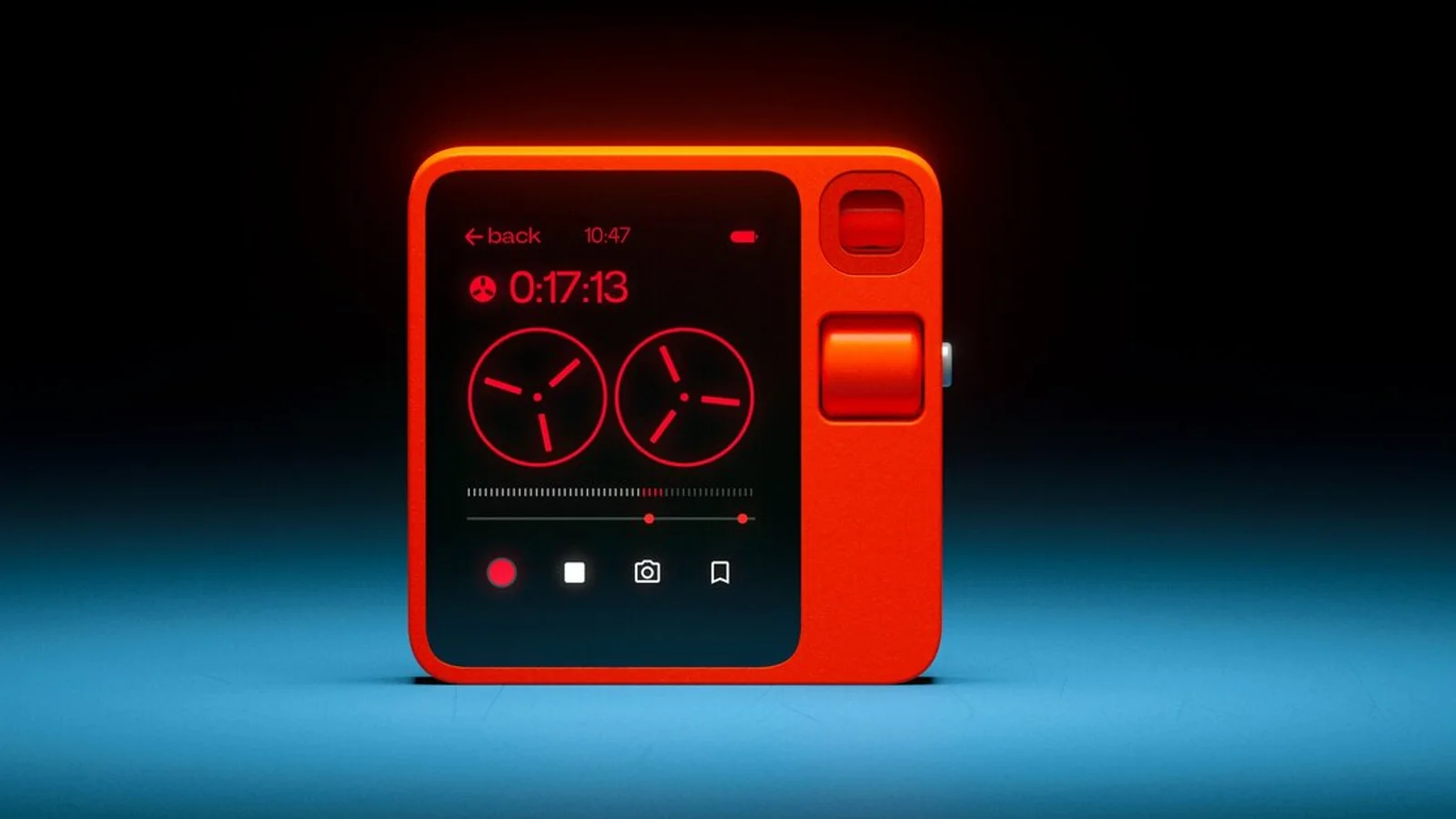
Rabbit
Rabbit R1
A pocket-sized AI assistant with a Large Action Model that promised to replace apps. Reality has been more modest.
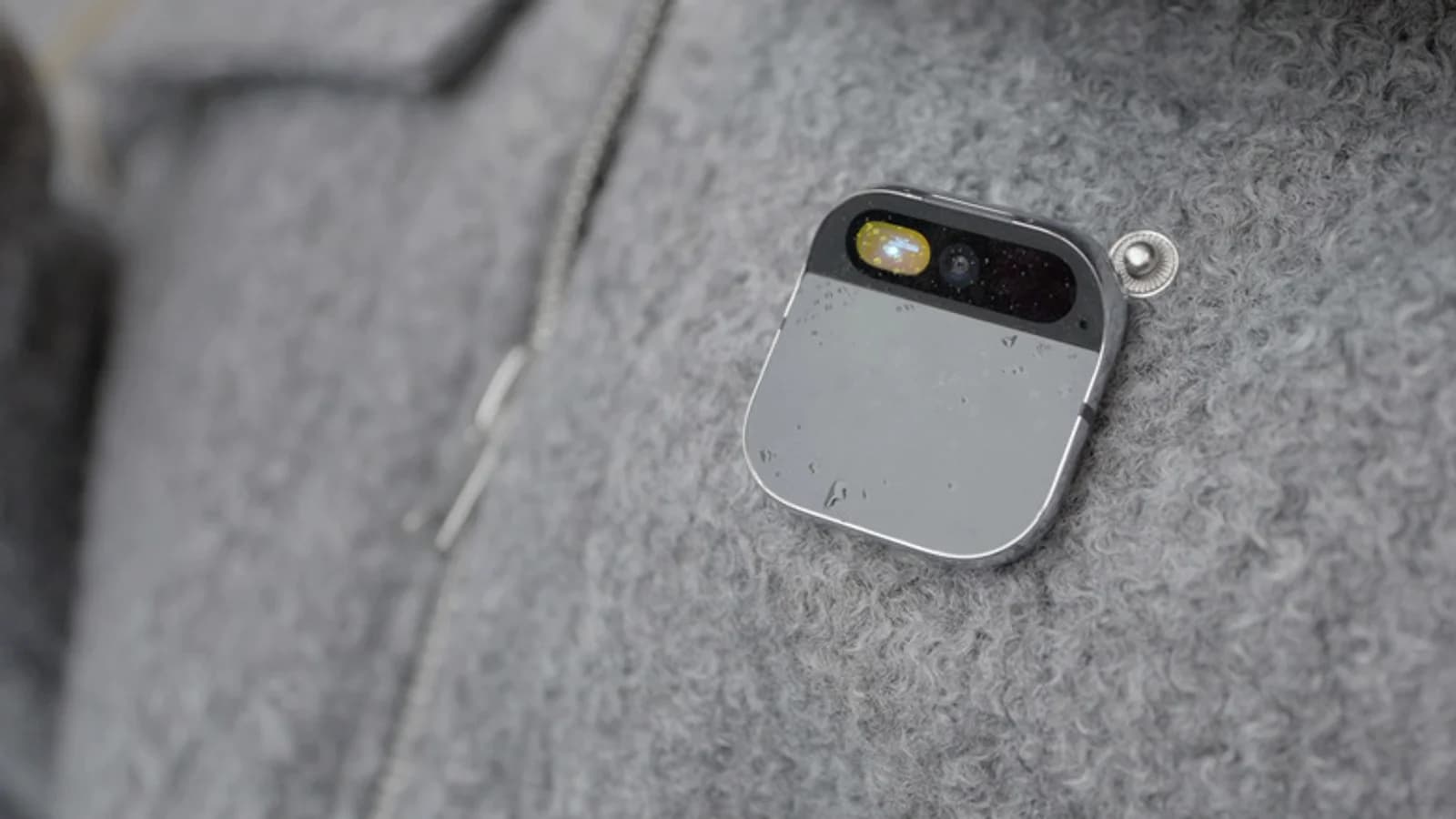
Humane
Humane AI Pin
The clip-on, screen-free AI pin from ex-Apple founders. Discontinued in early 2025 after a recall and weak adoption.
Verdict
Rabbit R1
Buy neither at retail. The Rabbit R1 is reasonable as a curiosity at the right secondary-market price; the Humane AI Pin is a paperweight. The more useful artifact from this comparison is the pattern: when AI hardware over-promises, the company's update cadence determines whether the device remains usable or becomes e-waste.
What each one promised
The Rabbit R1 launched at CES 2024 with the most striking marketing demo of the cycle: a Large Action Model (LAM) that would navigate any service on your behalf, no apps required. The pre-launch keynote showed the R1 ordering Ubers, booking DoorDash, and managing a calendar conversationally. The pitch was an app replacement layer running on a $199 orange pocket device designed by Teenage Engineering. The Humane AI Pin launched a few months later at $699 plus a mandatory $24/month subscription, with founders Imran Chaudhri and Bethany Bongiorno (ex-Apple) and a TED stage demo months ahead of shipping. The Pin promised a screen-free, voice-first AI assistant clipped to your shirt, projecting a laser display onto your palm when needed. Both were positioned as the first wave of post-smartphone hardware.
What each one shipped
The Rabbit R1 shipped as a competent voice assistant with a charming industrial design and a Large Action Model that, in practice, was narrow, brittle, or absent for most of the demoed integrations. Rabbit shipped continued firmware updates including a 'teach mode' that lets users record their own automation sequences, and the active developer community has earned the R1 a loyal niche. The Humane AI Pin shipped with sluggish replies, a projected display that struggled in bright light, and a voice assistant that returned wrong answers with confidence. Initial reviews ranged from cautious to scathing. Humane disclosed a charging-case battery overheating issue within two months of shipping and asked owners to stop using the case. By late 2024 Humane was shopping the company; in early 2025 HP acquired the team and software in a deal that shut down the Pin's cloud — bricking every Pin in the field.
How each company handled the gap
Rabbit kept shipping. Updates have been continuous, the user community is active, and the marketing has shifted from 'app replacement' to 'interesting AI hardware experiment.' The honesty of that pivot, slow as it was, kept the device usable. Humane's response was the opposite. The company stayed silent through most of the post-launch criticism, maintained the original marketing tone, charged the mandatory subscription, and then sold to HP in a deal that ended the cloud. The Pin's owners — many of whom had paid $699 plus months of subscription — ended up with a paperweight. This contrast is the lesson worth keeping: a company that ships updates and adjusts its story can rescue an over-promised product. A company that sticks to the original pitch and exits to an acquirer leaves the user with the worst possible outcome.
AI Score comparison
Rabbit R1 lands at 4.0 out of 10 on our rubric. Voice understanding and base LLM quality are decent; vision is functional but inconsistent; autonomy (the entire point of the LAM) scores low because the promised app-replacement layer barely materialized. Battery is modest, ecosystem is small but real, privacy is mid-tier. The score reflects a device that does less than promised but still does something. The Humane AI Pin scores 2.5 out of 10 — the lowest in the active-or-discontinued catalog. Battery, ecosystem, and price-value all collapse because the device no longer functions. The score is preserved for historical reference; live devices are evaluated against current state, not launch-state.
What this means for buyers in 2026
Three takeaways. First, do not pay launch MSRP for over-promised AI hardware. The category's 2024 valuations were premium and the post-launch reality consistently underperformed; waiting six months saves money and information. Second, prefer companies with active update cadence over companies with strong launch marketing. Plaud, Limitless (pre-acquisition), and Bee all met this bar; Humane did not. Third, if you own one of these devices, the resale market is uneven — Rabbit R1 still trades on secondary markets; the Humane Pin does not, because it cannot be used.
FAQ
- Does the Humane AI Pin still work?
- No. HP shut down the Pin cloud after acquiring Humane in early 2025. Existing Pins cannot perform any AI function.
- Should I buy a Rabbit R1 in 2026?
- Only if you collect interesting AI hardware or specifically value the Teenage Engineering industrial design. Do not expect the original Large Action Model pitch to materialize.
- Is Rabbit still shipping updates?
- Yes, as of this writing, including the 'teach mode' automation feature added post-launch. The cadence is slower than at launch but the device continues to receive support.
- What was the mandatory subscription on the Humane Pin?
- $24/month, required to use the device's cellular connectivity and AI features. It was charged for the lifetime of the cloud service.
- Are there refunds for Humane Pin owners?
- Humane offered refunds in mid-2024 for the battery overheating issue. After HP's acquisition the broader refund situation was inconsistent; check your purchase channel.