Buying guide · Updated May 16, 2026
Best AI Glasses 2026
AI glasses are the first wearable category that has stopped looking like beta hardware and started looking like eyewear. Meta's second-generation Ray-Ban collaboration normalized the form factor, Even Realities removed the camera to make all-day wear socially feasible, and Brilliant Labs proved that an open-source AR stack can ship as a consumer product. This guide ranks the three devices we recommend buying today, explains who each one is for, and outlines the alternatives worth tracking before you commit. Every score here is from our 10-dimension AI Score rubric — the same rubric we apply across the catalog, so you can compare against any other device on the site.
Top picks
- #1 · Best overall
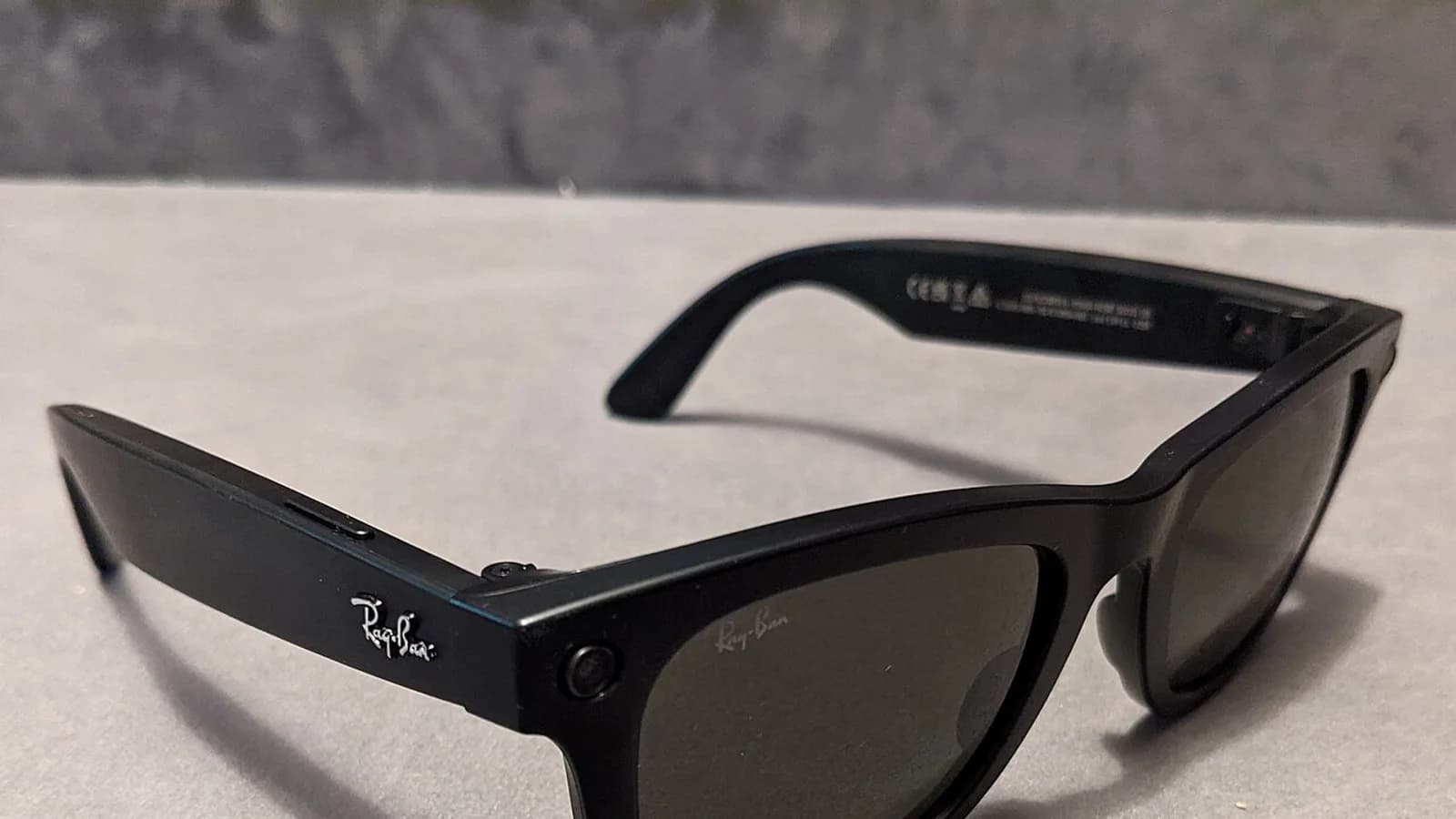
Ray-Ban Meta (Gen 2)
The most resolved hardware in the category. AI replies are fast, photo and video capture is genuinely useful, and the frames pass for ordinary Ray-Bans. Pick this if you want the closest thing to a finished product.
Read full review → - #2 · Best for daily wear
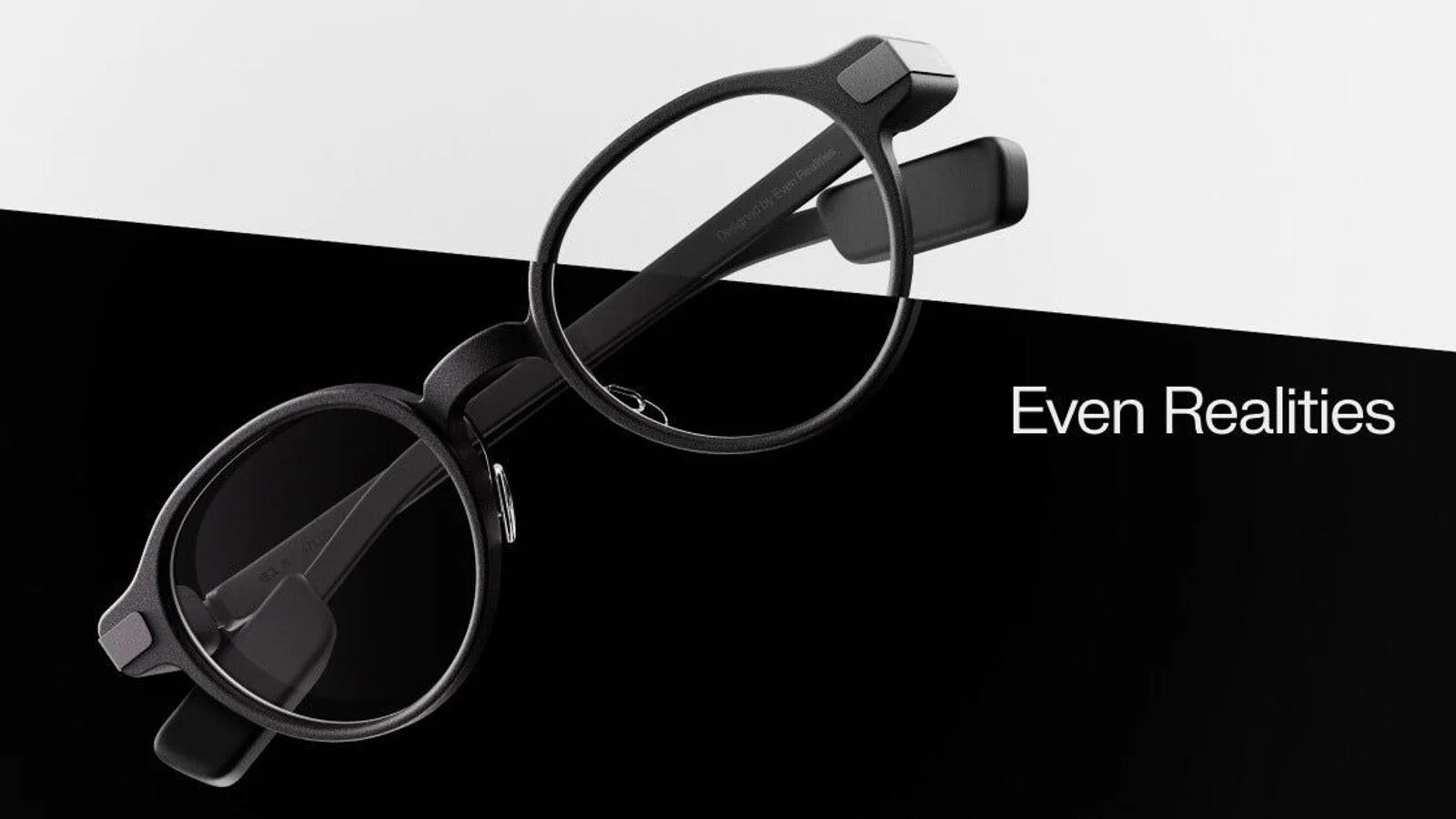
Even Realities G1
The only smart glasses you can wear in business meetings without explaining yourself. No camera removes the social friction; the monochrome display handles messaging, translation, and notifications without breaking eye contact.
Read full review → - #3 · Best for developers
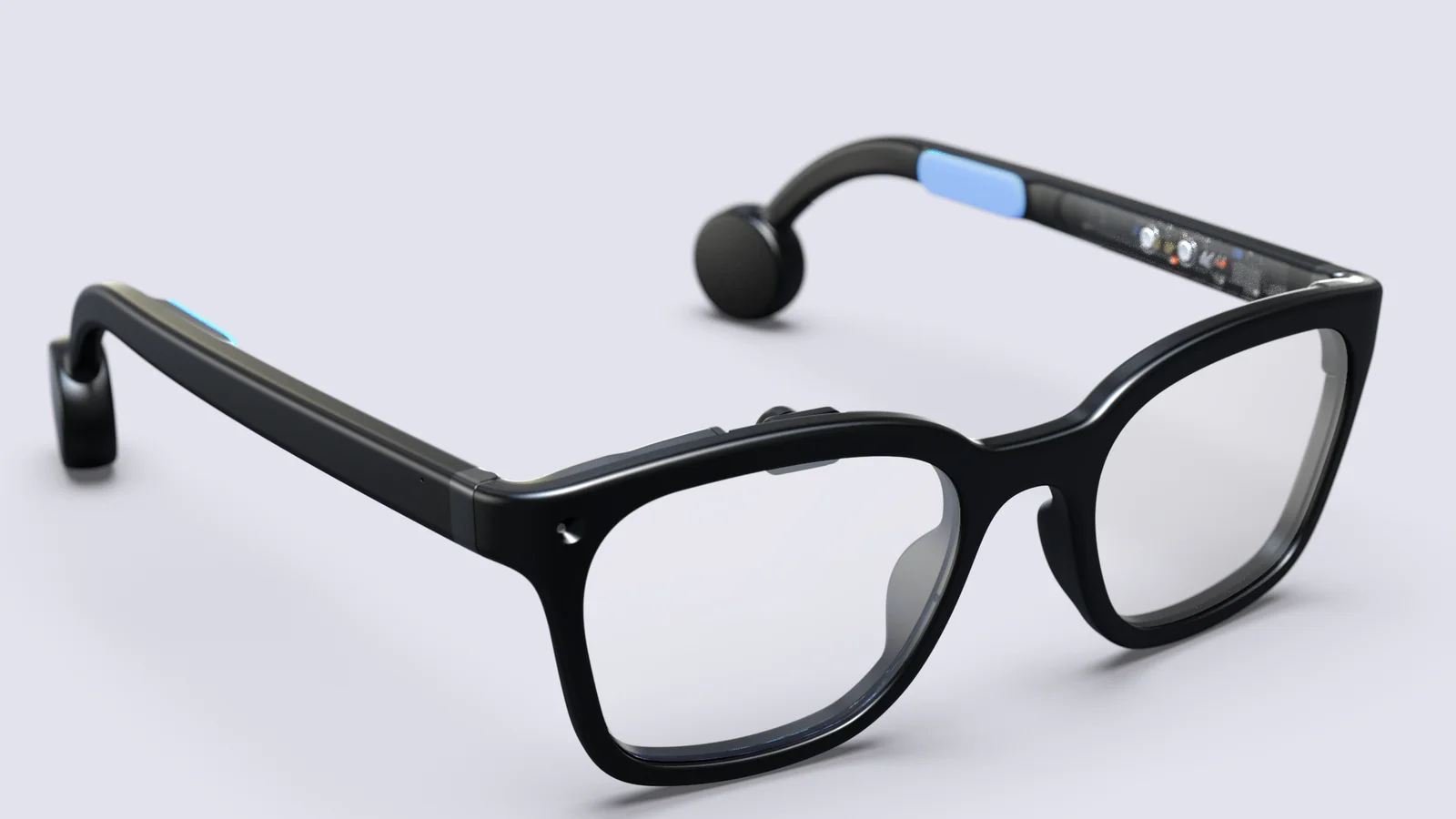
Brilliant Labs Frame
Open-source from day one. Swap the LLM backend, write custom apps in Lua, opt out of cloud processing entirely. The Frame is the device for users who want to shape their AR rather than accept it.
Read full review →
What separates AI glasses from regular smart glasses
Smart glasses have existed since Google Glass in 2013, but the 2024-2026 generation crosses a threshold the earlier devices did not. The defining shift is on-board AI inference combined with multimodal models: today's AI glasses can see what you see, listen to what you hear, and respond conversationally — not just display notifications from your phone. Meta's Ray-Ban Gen 2 can identify a building you are walking past and tell you its history. Even Realities G1 can subtitle a conversation in real time, in either direction, across more than a dozen languages. Brilliant Frame can run a local model that summarizes the last hour of your day without sending audio to a cloud. None of this was possible in any consumer wearable two years ago. The result is that AI glasses are no longer accessories to your phone — they are increasingly the primary interface for ambient AI, in a way that wrist devices and pendants cannot quite match.
How to choose between the three picks
The simplest framing: if you want polish, buy the Meta Ray-Ban Gen 2. If you want to wear smart glasses every day without anyone noticing, buy the Even Realities G1. If you want to own and modify the stack, buy the Brilliant Frame. Beyond that, three concrete decision points matter. First, camera or no camera. The Meta and Frame have cameras; the G1 does not. A camera unlocks scene description, OCR, and visual Q&A, but it also signals to other people that they may be recorded. If you spend time in shared workspaces or sensitive contexts, the no-camera tradeoff may be a feature, not a bug. Second, display or audio-only. The Meta Ray-Ban Gen 2 has no display and routes all AI output to the open-ear speakers. The G1 and Frame both have monochrome displays. If you want to read AI replies without your colleagues hearing them, you need a display. Third, ecosystem lock-in. The Meta glasses pull you into the Meta account and AI ecosystem. The G1 and Frame let you choose which LLM to back them with. For privacy-conscious users this distinction can determine the entire purchase.
Alternatives worth tracking
Three other devices in the catalog do not make the top picks but warrant a watchlist position. The Halliday Glasses ship a single-eye microLED in an even smaller frame than the G1, optimized for runners and athletes; they are excellent in that lane but underdeveloped for general use. Solos AirGo Vision ship at the lowest price in the AR category and lean on Solos's audio-glasses heritage; for users who already wear Solos for cycling or running, the Vision upgrade is a low-risk add. Apple Vision Pro is technically AR glasses, but the form factor (a face-mounted headset) puts it in a different category — review separate, not directly comparable to all-day AR eyewear. If Apple ships a true glasses-form Vision device in 2026 or 2027, this guide will be revised.
What to avoid in 2026
Two patterns to skip. First, any AI glasses that ship without a published privacy policy explaining cloud routing. The 2024-2025 wave produced several launches where audio and video left the device with no clear disclosure of where it went or how long it was retained. As of 2026, anyone shipping AR glasses without that documentation is either overconfident or hiding something — both are reasons to wait. Second, any device priced under $200 that advertises full AR overlays. The component cost of a useful display alone exceeds that price, and devices that claim otherwise are typically rebadged audio glasses with marketing that overpromises. The category has stabilized around three honest tiers: audio-only ($100-200), monocular display ($300-600), full AR ($1000+). Be skeptical of devices that claim tier-two capability at tier-one pricing.
Frequently asked questions
- Are AI glasses worth buying in 2026?
- For the right user, yes — particularly the Meta Ray-Ban Gen 2 if you want resolved hardware and the Even Realities G1 if you want all-day wearable smart glasses. The category has crossed the threshold where AI replies are fast enough and accurate enough to be useful, not just demoable.
- Do AI glasses need a smartphone?
- Yes. All three top picks pair to a phone over Bluetooth for AI processing, app configuration, and software updates. There is no standalone AI glasses product yet that operates entirely without a paired device.
- Can other people tell when AI glasses are recording?
- Meta Ray-Ban Gen 2 and Brilliant Frame have small capture LEDs that illuminate during photo or video capture. Even Realities G1 has no camera, so this question doesn't apply. The LEDs are sometimes hard to notice in bright light, which has fueled the social-friction concerns the category continues to negotiate.
- How long do AI glasses batteries last?
- Meta Ray-Ban Gen 2 lasts about 4 hours of mixed use; G1 lasts about 1.5 days of background use with limited display activity; Frame lasts about 4 hours. All three include a charging case that adds multiple cycles. Expect to charge daily.
- Are AI glasses safe to wear while driving?
- All three top picks are designed to be safe for driving, but display-based glasses (G1, Frame) should be configured to suppress non-critical notifications behind the wheel. Audio-only AI replies (the Meta default) are the safest pattern. Check your local jurisdiction — some regions restrict any heads-up display while driving.
- Do prescription lenses work with AI glasses?
- Yes, all three picks support prescription lenses, though processes differ. The G1 builds prescriptions into both frames at order time. The Meta Ray-Ban supports prescription via Ray-Ban's standard channel. Frame supports prescription inserts. Expect a $100-300 markup for prescription regardless of frame.