
Learn · May 16, 2026
What are AI smart glasses?
AI smart glasses are eyewear with on-board AI capability — typically meaning cameras for scene understanding, microphones for voice interaction, speakers or a heads-up display for output, and an AI assistant that can answer questions about what you are looking at or listening to. The category crossed a threshold in 2024-2025: from clearly-tech-product Google Glass-era hardware to actually-wearable eyewear that passes for ordinary frames. As of 2026 the three credible product lines are the Meta Ray-Ban collaboration, Even Realities, and Brilliant Labs.
What separates AI glasses from older smart glasses
Smart glasses have existed since 2013, but the current generation crosses a threshold the earlier devices did not. The defining shift is on-board AI inference combined with multimodal models. Today's AI glasses can see what you see, listen to what you hear, and respond conversationally — not just display notifications from your phone. Meta's Ray-Ban Gen 2 can identify a building you are walking past and tell you its history. Even Realities G1 can subtitle a conversation in real time, in either direction, across more than a dozen languages. Brilliant Frame can run a local model that summarizes the last hour of your day without sending audio to a cloud. None of this was possible in any consumer wearable two years ago.
Three architectural choices
The category splits along three axes that determine the buying decision more than the spec sheet. First, camera or no camera. Meta Ray-Ban and Brilliant Frame have cameras; Even Realities G1 does not. A camera unlocks scene description and OCR but also signals to other people that they may be recorded. Second, display or audio-only. Meta Ray-Ban has no display and routes AI replies to open-ear speakers; G1 and Frame have monochrome microLED displays projecting into the lens. Third, closed or open ecosystem. Meta locks you to a Meta account and the Meta AI model; Brilliant ships open-source software and lets you swap the LLM backend; G1 sits in between, with a configurable AI but a polished proprietary app.
Battery, weight, and prescription support
Modern AI glasses weigh 40-50 grams (within normal eyewear range, a major change from earlier 80+ gram designs). Battery is the persistent weak point — most last 3-6 hours of active use, with the included charging case adding more cycles. Prescription lens support is now standard across the category: Even Realities builds prescription into both lenses at order time, Meta Ray-Ban routes through Ray-Ban's standard prescription channel, Brilliant Frame supports prescription inserts. Expect a $100-300 markup for prescription regardless of frame.
Glasses vs other wearable AI
Smart glasses are the closest thing the AI wearable category has to a primary device. They sit on your face, capture what you're looking at, and reply in your ear or in the corner of your vision. Compared to AI pins, glasses get vision (huge differentiator) at the cost of fitting on your nose. Compared to AI rings, glasses do AI tasks rings can't (vision, conversation, translation) but can't do continuous health tracking. Compared to AI recorders, glasses are less focused on transcription but more capable of real-time AI interaction. For users buying one wearable AI device, smart glasses are the most general-purpose option today.
How to buy AI glasses in 2026
Three filters. First, decide on camera. If you spend significant time in shared workspaces or sensitive contexts, no-camera (G1) becomes a feature, not a missing spec. Second, decide on display. No-display (Meta) is more discreet for the wearer but audio output isn't always appropriate. Third, decide on ecosystem. Meta-account commitment is real and not for everyone; open-source (Frame) is appealing if you want to modify the stack. Our current top picks are Meta Ray-Ban Gen 2 for general consumers wanting polish, Even Realities G1 for all-day social wearability, and Brilliant Frame for developers and privacy-conscious users.
Examples in the catalog
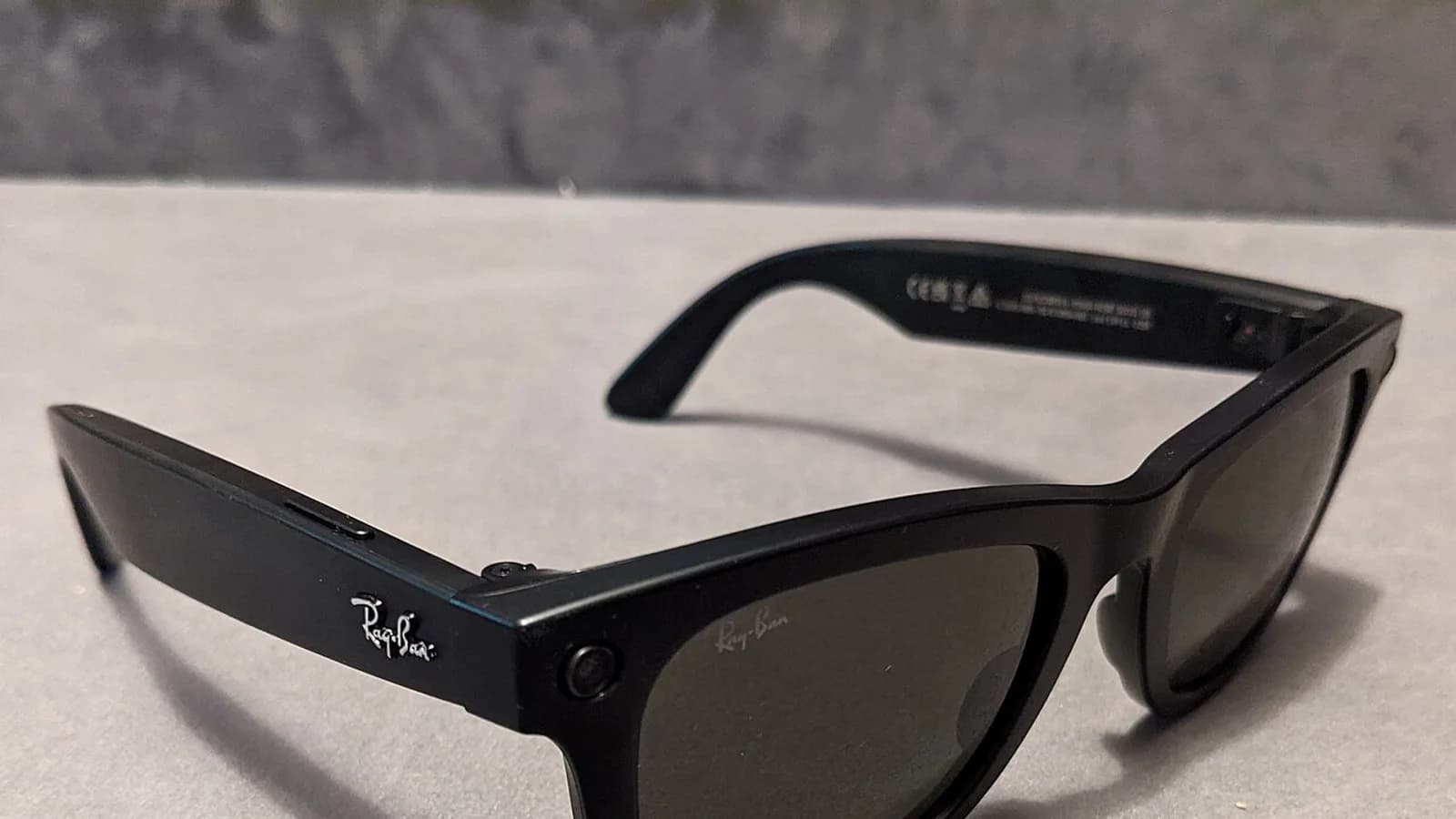
Meta
Ray-Ban Meta (Gen 2)
The mainstream AI smart glasses — capture, translation, and Meta AI Q&A in a Ray-Ban frame.
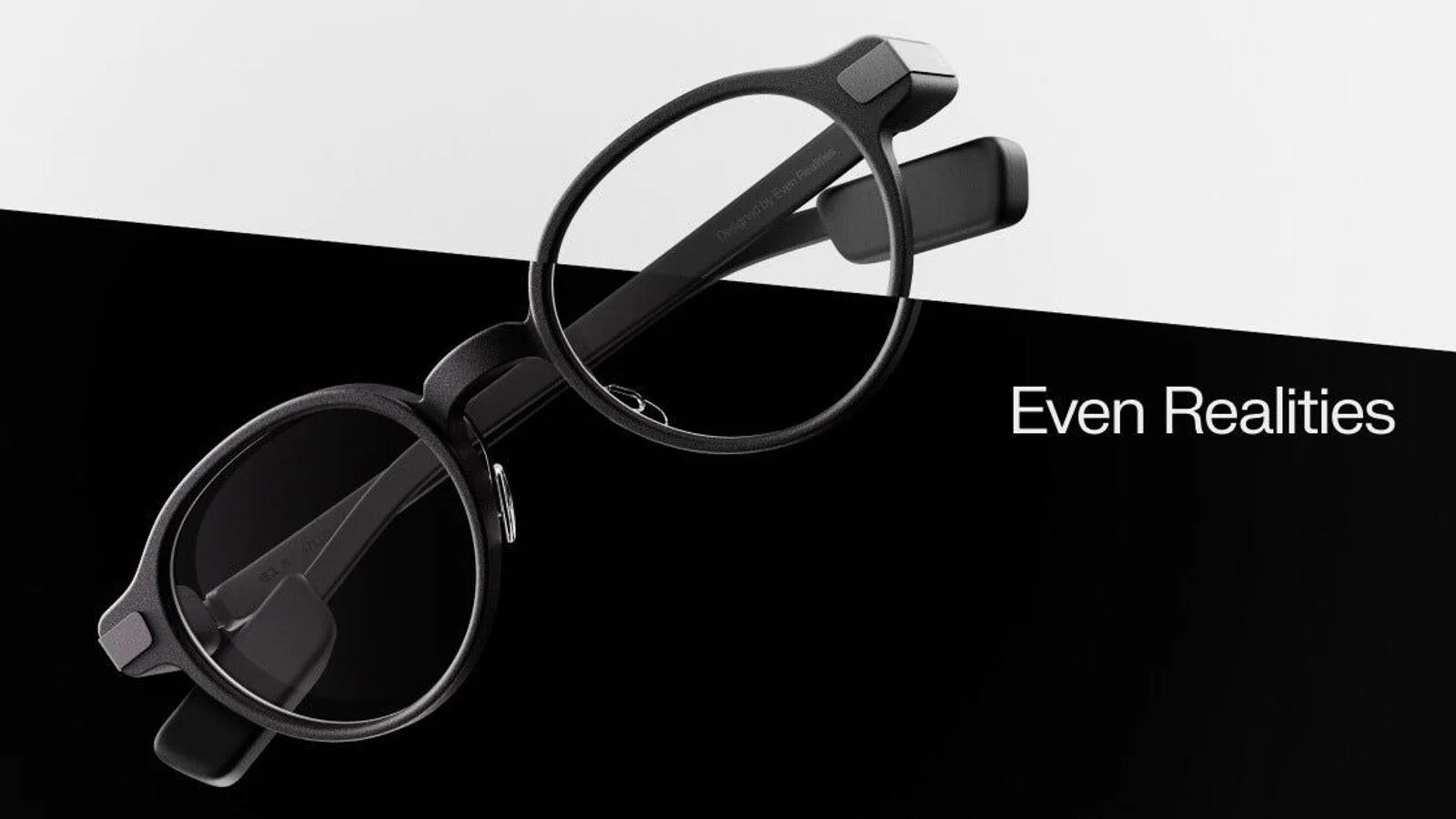
Even Realities
Even Realities G1
Prescription-friendly AI glasses with a discreet HUD, navigation, and translation overlays.
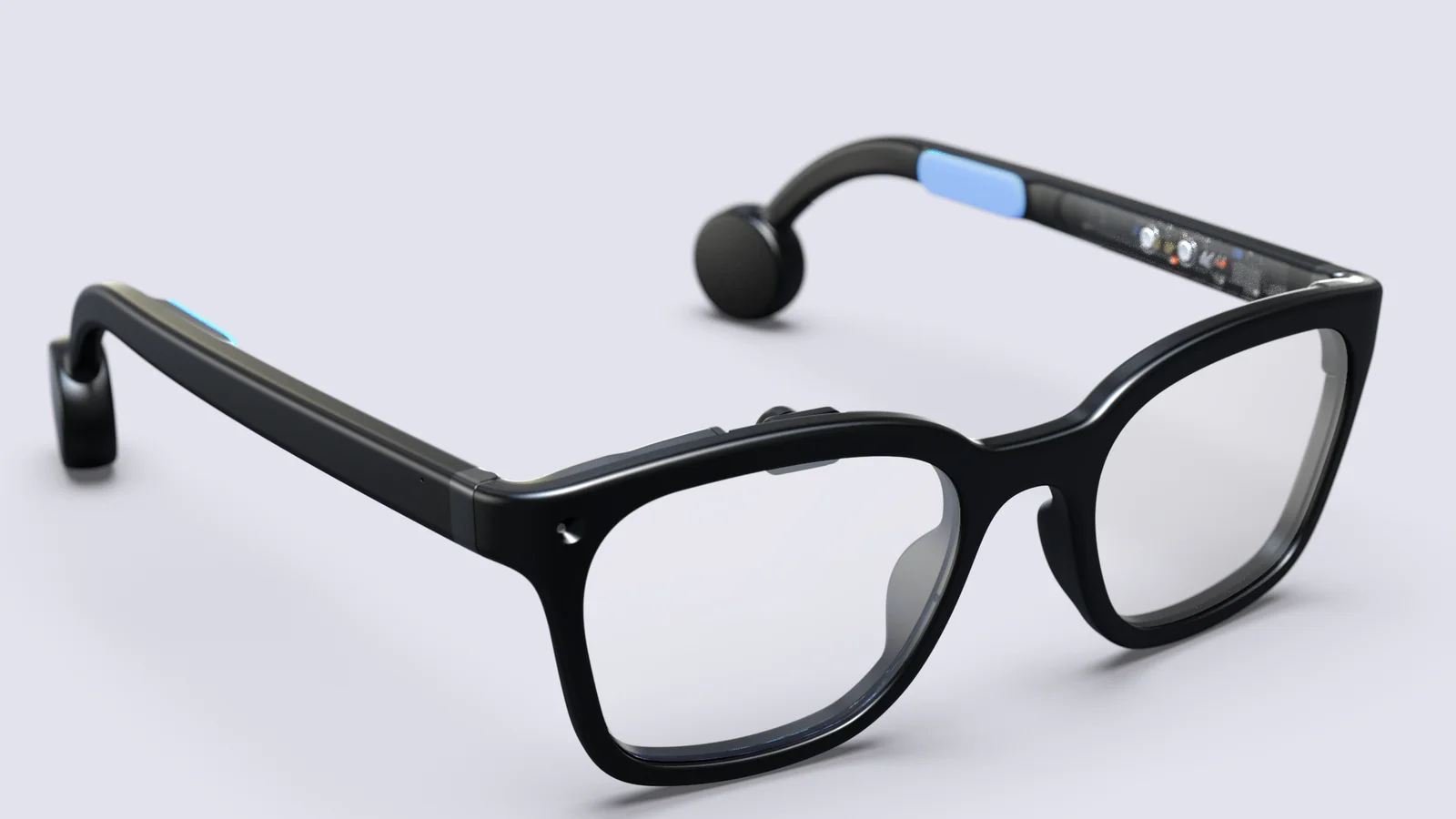
Brilliant Labs
Brilliant Labs Frame
An open-source AI eyewear platform with a tiny monocular display and developer SDK.

Halliday
Halliday Glasses
A near-eye display in a normal-looking frame, with proactive AI prompts based on context.
Solos
Solos AirGo Vision
AI glasses that let you choose between ChatGPT, Gemini, or Claude — multi-model flexibility in one frame.
FAQ
- Do AI smart glasses need a smartphone?
- Yes. All current AI smart glasses pair to a phone over Bluetooth for AI processing, app configuration, and software updates. There is no fully standalone consumer product yet.
- Can other people tell when AI glasses are recording?
- Meta Ray-Ban Gen 2 and Brilliant Frame have small capture LEDs. Even Realities G1 has no camera. The LEDs are sometimes hard to notice in bright light, which has fueled justified social-friction debates.
- How long do AI smart glasses batteries last?
- 3-6 hours of active use is the current category norm. Charging cases add multiple cycles. Expect to top up between sessions if you use them heavily.
- Are AI smart glasses safe while driving?
- Audio-only AI replies (Meta default) are the safest pattern. Display-based glasses (G1, Frame) should be configured to suppress non-critical notifications behind the wheel. Check your local jurisdiction — some regions restrict HUDs while driving.
- Will Apple ship AI glasses in 2026?
- No confirmed product. Apple has the Vision Pro (a headset, not glasses) and reportedly internal glasses-form research. We do not expect a shipping Apple glasses product before 2027 based on public signals.