
Learn · May 16, 2026
What is an AI companion device?
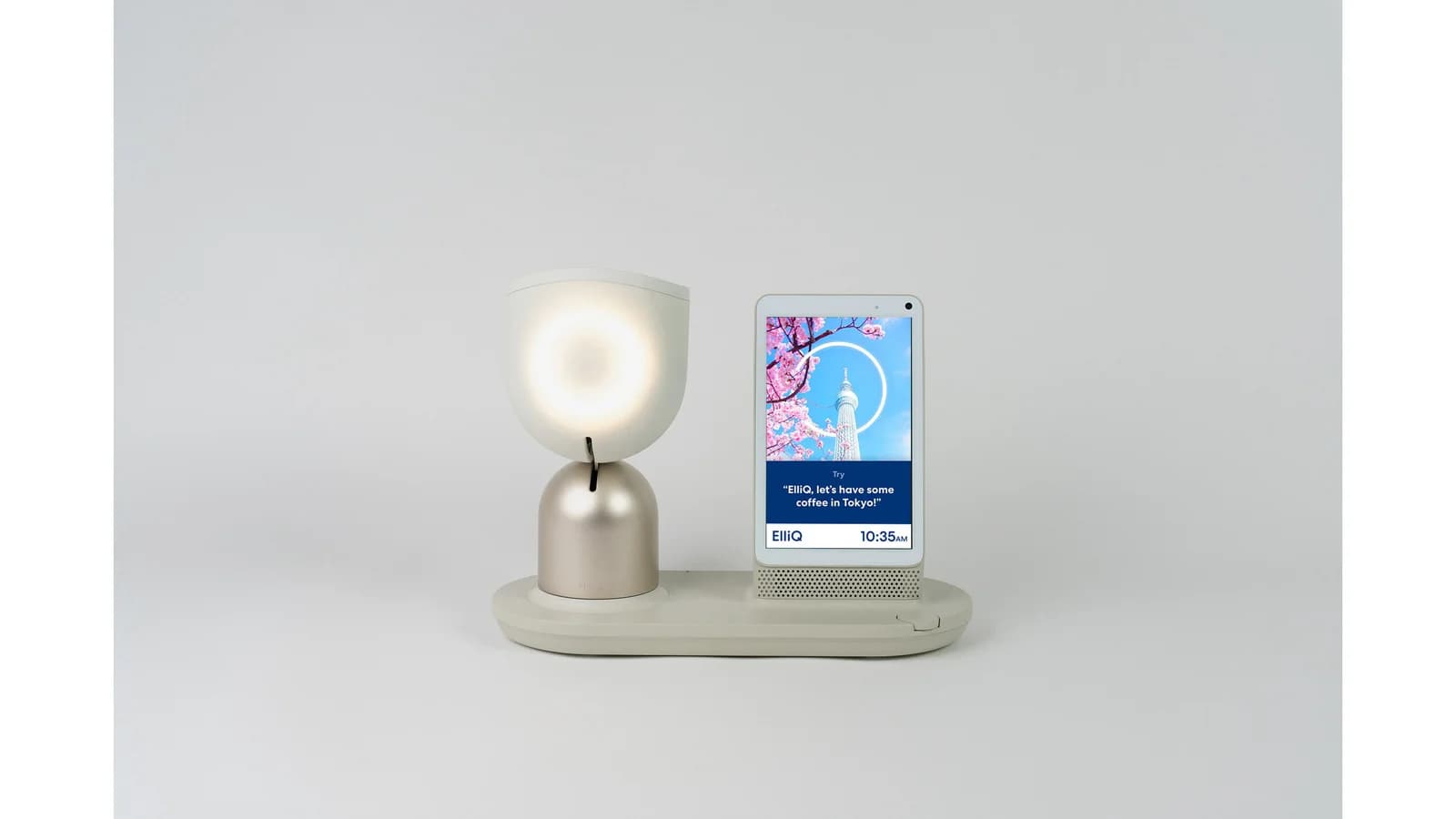
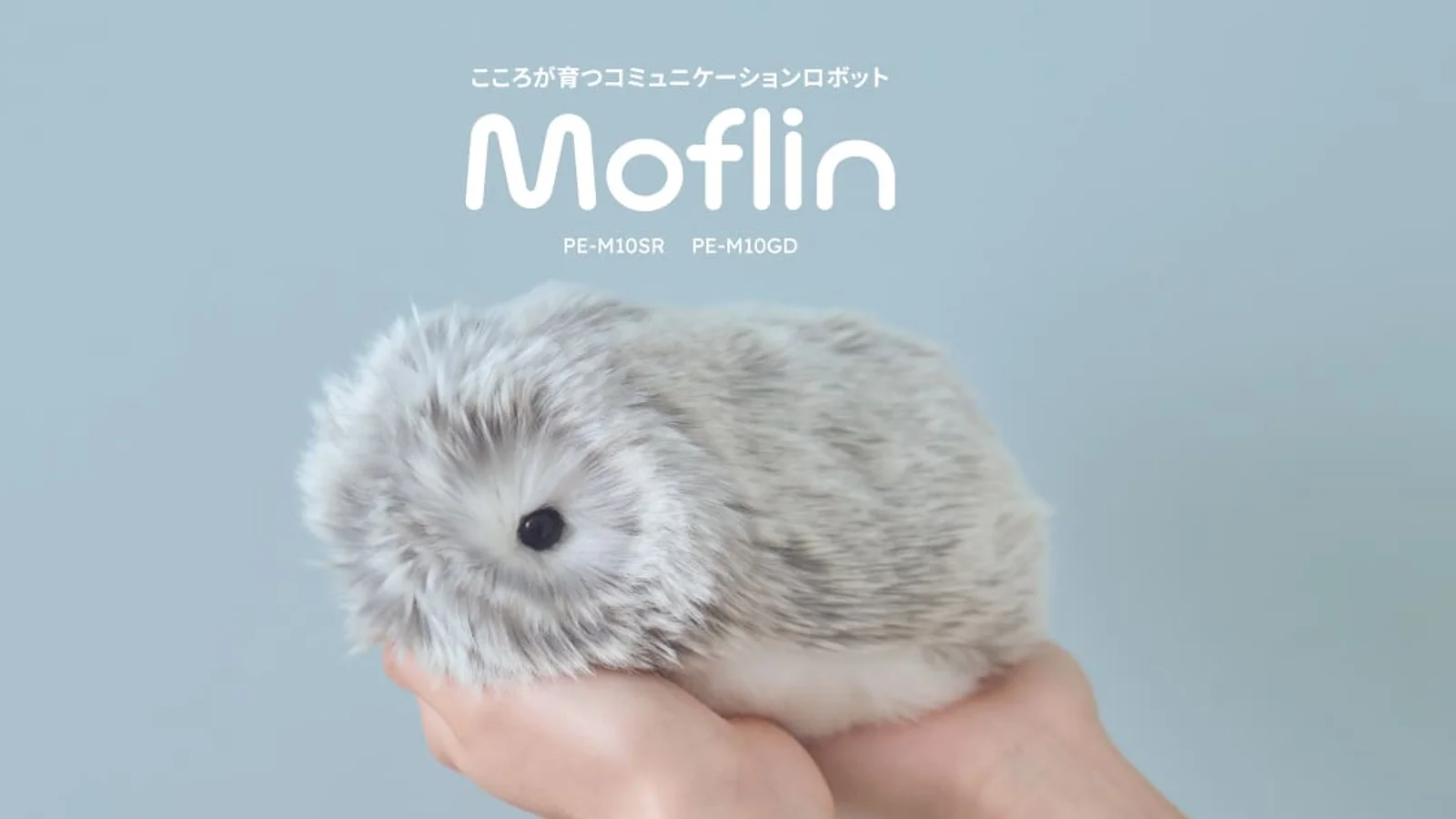
AI companion devices are the most controversial subcategory of AI hardware, and increasingly the most clearly-positioned. The pitch is straightforward: an AI you have a relationship with — not a tool you use, not a productivity assistant, but something closer to a presence in your life. The category includes Friend (a wearable always-listening pendant for younger users), ElliQ (a tabletop companion for older adults), and Moflin (a furry animatronic pet from Casio). These are very different products. They share one thing: the value proposition is emotional, not functional, and that framing changes how to think about buying one.
What makes a 'companion device' different
Most AI hardware in the catalog has a job: capture meetings, track sleep, identify a building, summarize a podcast. Companion devices reject this framing. ElliQ explicitly markets to older adults living alone and measures success in reduced loneliness scores from independent assessments. Friend explicitly markets the always-on AI chat as a relationship, not a tool. Moflin doesn't even pretend to be useful — it's a small furry creature on your desk that learns your interaction patterns and develops a 'personality.' These are wellness and emotional products, not productivity products, and they should be evaluated against wellness and emotional outcomes.
The use case the category serves
Loneliness and emotional regulation are real, measurable problems for large segments of the population. ElliQ has published clinical outcome data from deployments funded by state Medicaid programs and aging-services organizations — sustained users report significant reductions in loneliness scores. This is one of the few AI hardware products with formal outcome research. Friend's outcomes are more contested but the use case (younger users wanting an ambient AI relationship) is not invented; the criticism is whether the product delivers on it. Moflin sits in the longer tradition of robotic pets (Sony AIBO, Lovot in Japan) — a small, low-stakes emotional presence with no productivity claim.
Honest controversies
Critics argue that AI companion devices industrialize loneliness, that always-on listening for emotional purposes raises consent issues the LED cannot resolve, and that the AI 'character' is shallower than the marketing implies. These criticisms have weight. We do not dismiss them. The fair editorial position is that AI companion devices are a real product category serving real needs, and that the criticisms are correctly aimed at execution (does the AI feel like a stable character?) and ethics (is always-on listening for relationship purposes a reasonable use of attention?) rather than the existence of the category. Buyers should make their own decisions on both axes.
Companion devices vs AI assistants
An AI assistant takes actions and answers questions. A companion device does neither, by design. If you ask Friend to remind you about a meeting tomorrow, it cannot — there is no calendar integration. If you ask ElliQ to do internet research, it won't — it's calibrated for older-adult conversation and care prompts. If you ask Moflin anything, it chirps. This is not a limitation; it is the product. The most common buying mistake in this category is wanting a productivity tool and getting a companion device, or vice versa. The two product types do not substitute.
How to buy a companion device in 2026
Three filters. First, identify the use case honestly — are you buying for productivity (wrong category, go to AI recorders or smart glasses) or for emotional/wellness reasons (right category)? Second, match the product to the user — ElliQ for older adults living alone, Friend for younger users explicitly seeking ambient AI relationship, Moflin for users wanting a low-stakes desk creature without an AI conversation. Third, accept the always-on listening tradeoff (Friend) or the privacy-clean alternative (Moflin processes locally, no cloud).
Examples in the catalog

Friend
Friend
A pendant pitched as an always-on AI companion that texts you reactions to your life. Polarising launch.
Intuition Robotics
ElliQ
A countertop AI companion designed for older adults — proactive check-ins, conversation, and reminders.
Casio
Moflin
A fuzzy AI pet with a developing personality — Casio's take on a Tamagotchi for adults.
FAQ
- Is Friend a productivity tool?
- No. There is no transcript export, no calendar integration, no task management. The product is the conversation with the AI persona.
- Does ElliQ actually reduce loneliness?
- Published outcome data from state-funded deployments shows significant reductions in self-reported loneliness scores for sustained users. The evidence is among the strongest in the AI hardware industry.
- Is Moflin AI hardware?
- Yes, just barely. Moflin's behavior adapts to your interactions through an onboard AI model. It does not converse and has no productivity features. The category is companion animatronic.
- How much do AI companion devices cost?
- Friend ~$99 (preorder). ElliQ ~$249 enrollment + $39.99/mo subscription. Moflin ~$429 (no subscription).
- Are AI companion devices safe for kids?
- None of the current shipping products are marketed for children. Friend specifically markets to older teens and adults. Moflin is age-neutral but not designed as a kid's toy. ElliQ is for adults 65+.